R-5 vs R-13: choosing your damper
The damper is the insulated panel that seals your whole house fan opening when the fan isn't running. Choose the wrong one and you're heating your attic in winter — or cooling it in summer — through the fan opening every day. This guide explains what R-value means for dampers and which one your climate requires.
What the R-value actually measures
R-value measures thermal resistance — how well a material slows the transfer of heat. Higher R-value means better insulation. Your home's exterior walls are typically R-13 to R-21. Your ceiling insulation is often R-38 to R-60. A damper with a low R-value creates a weak spot in that thermal envelope — a place where heat leaks through freely.
The consequence depends on your climate: in cold climates, a low-R damper lets expensive heated air escape upward into the attic all winter. In hot climates, it lets attic heat radiate down into your living space on hot days.
Key insight: A whole house fan damper isn't just about winter heating costs. Even in warm climates, a well-insulated damper prevents attic heat from radiating through the fan opening on hot summer afternoons — helping your home stay cooler when you need it most.
The two damper options
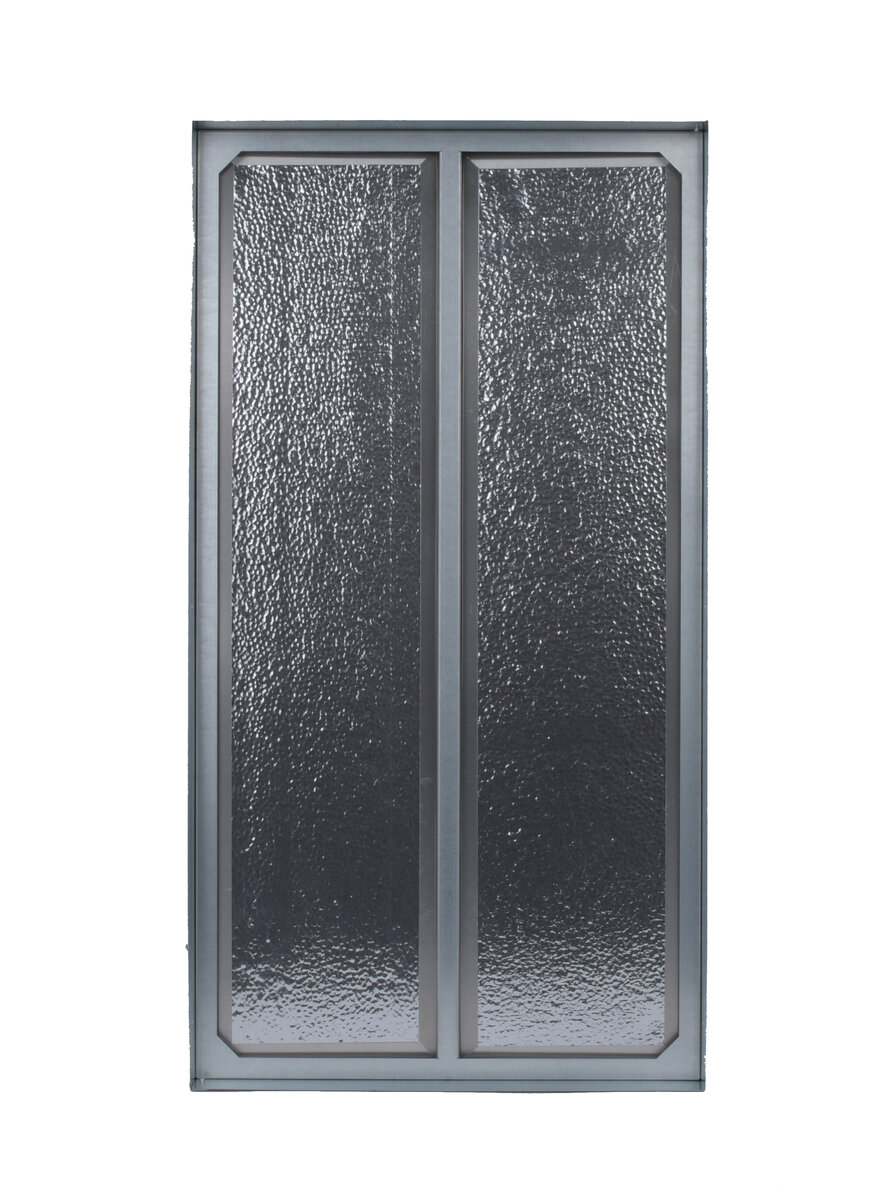

Best for
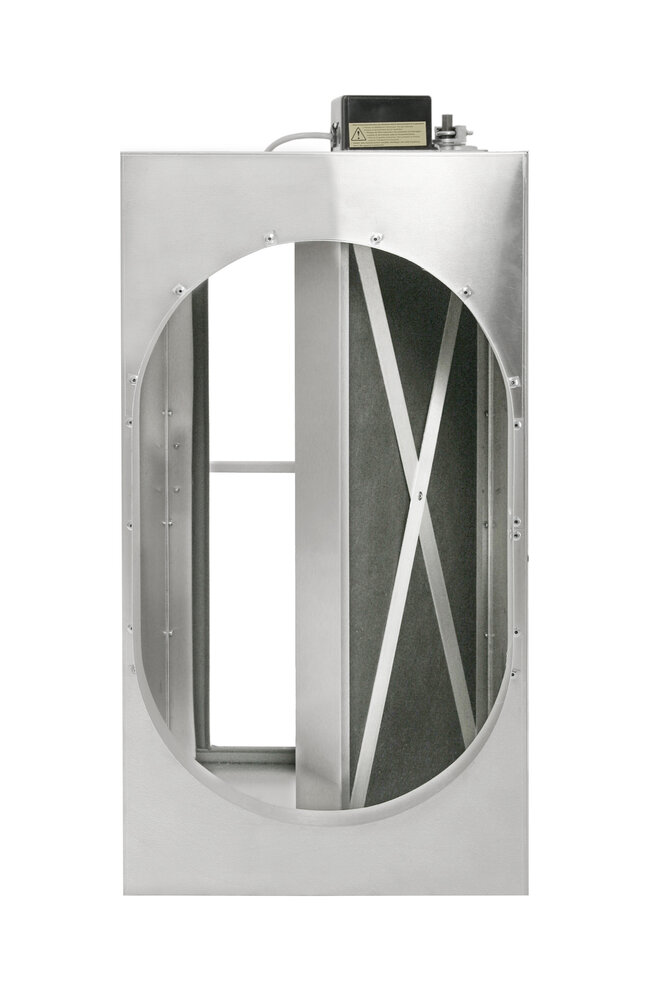


Best for
Climate-by-climate recommendation
| Climate / Region | Winter Low | Recommended Damper | Reason |
|---|---|---|---|
| Southern California coast | 45–55°F | R-5 | Minimal heating season, mild winters |
| Central Valley / Inland CA | 35–45°F | R-13 | Moderate heating season, hot summers |
| Arizona / Nevada desert | 35–45°F | R-13 | Hot attics in summer benefit from better seal |
| Pacific Northwest | 25–40°F | R-13 | Significant heating season |
| Mountain West (under 5,000 ft) | 20–35°F | R-13 | Long heating season |
| Mountain West (5,000+ ft) | 0–20°F | R-13 | Extreme cold, R-13 is the recommended upgrade |
| Upper Midwest (MN, WI, MI) | -10–15°F | R-13 | Severe winters — R-13 is essential |
| Northeast (NY, MA, CT) | 10–25°F | R-13 | Cold winters — R-13 is the recommended upgrade |
How much does the wrong damper actually cost?
The R-13 has 2.6× the thermal resistance of the standard R-5, cutting conductive heat loss through the damper by roughly 60%. That difference shows up on your heating bill every winter the fan sits idle.
The +$225 upgrade is typically recovered over a handful of heating seasons in cold-winter climates, plus the comfort benefits the energy math does not capture: no cold drafts near the ceiling and a tight perimeter seal that stops air infiltration, not just conduction.
In a mild California climate, the difference is much smaller. The R-5 standard damper is genuinely adequate when winter lows stay above 40°F, and the upgrade provides marginal benefit at best.
Simple rule of thumb: If your winters regularly drop below 40°F, the R-13 Cold Climate Motorized Damper is the right choice. In mild climates (winter lows above 40°F), the standard R-5 is sufficient.
The damper mechanism
Both damper options open automatically when the fan runs and close when the fan stops. No manual operation required. The difference is in the insulation panel, the closing mechanism, and the edge seal.
The R-13 uses a motorized actuator that actively pulls the damper shut, rather than relying on spring pressure alone. It also adds an air-sealing gasket around the perimeter that compresses when closed, eliminating air infiltration around the edges. This matters most in cold climates where air leakage (not just conduction) is a significant heat-loss pathway.